
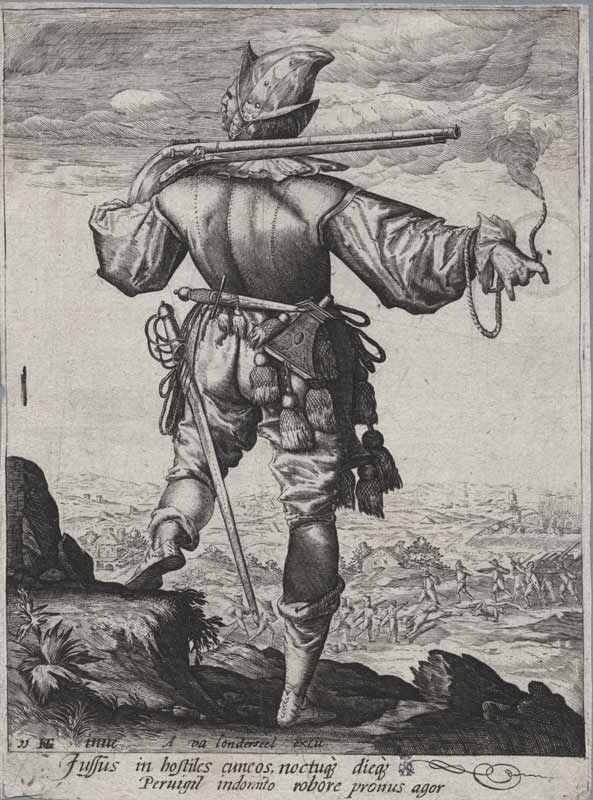
The main character from Tesora, Ronan, is confronted by three pirates. They once sailed the pirate ship which supplied Ronan with his traveling money (gold coins). They appear in his town to get the money back. They carry muskets like the one pictured below. They also walk the same swagger as this musketeer. They count on Ronan being young and afraid—they don’t count on his support from the folk in Puerto Toque.
July 8, 2011
Ronan’s Stolen Gold Meets the Pirates Who Once Owned It
June 22, 2011
How much surprise do you like in a story?
How much surprise do you like in a story? I like a story to be unexpected at every turn. It doesn’t need to have multiple or parallel plots or one plot with many trailing sub-plots, but I find it’s the smaller surprises that help define a story and its characters. In my own life I find a competition of motives and possible actions which give spontaneity a chance to bloom. I expect any new detail to have its own story, so I pick and choose to create the characters and the themes. Among those things, I like to choose the one least probable.
June 18, 2011
Happy Father’s Day, Dads
Happy Father’s Day, Dad. Hope you’re proud of the courage it takes me to write well. I am inspired by the courage you showed that day on the Santa Fe when you guys rescued so many men from the USS Franklin in the battle of Leyte Gulf (plus the courage it took to have five kids). And I remember you too, Mom. And to all the other Dads in the family: Thomas, Joe, Ben, Martin, Tommy, and Steve. Hugs, all.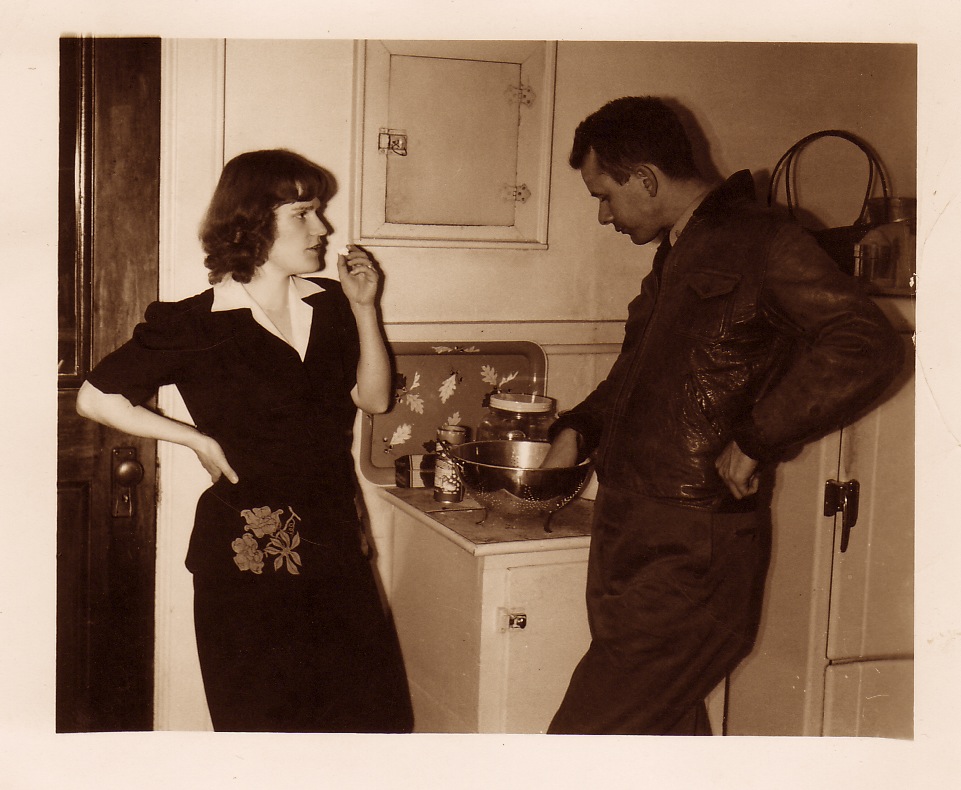
June 16, 2011
“Book sales are up, way up, from twenty years ago.”
McSweeney’s has some positive notes on the state of publishing today. Here. They say: “Book sales are up, way up, from twenty years ago. Young adult readership is far wider and deeper than ever before. Library membership and circulation is at all-time high. The good news goes on and on.” Of course all that takes place with everything else about the industry in a total state of change. Cool.
June 12, 2011
Tim Gager Announces the Debut of Printer’s Devil Review
Tim Gager, the principal of the Dire Reader Series, announces a new literary journal: Printer’s Devil Review (PDR). He’s its Editorial Consultant and he helped find authors to submit to the journal. Thomas Dobson created it along with his staff of editors. It’s is an open-access journal of stories, poems, and visual art. They aim to provide emerging writers and artists with greater access to publishing. For the reader they hope to deliver new voices and visions. The journal has all the contents downloadable on PDF files from the Website. If the story of Kate Racculia is an example, he’s met his promise to showcase good writing. I was once a printer’s devil (a printing assistant) and had my own Red Howl Press when “press” meant paper under my feet and ink under my fingernails.
June 9, 2011
Real pirate treasure is shown is this slide show.
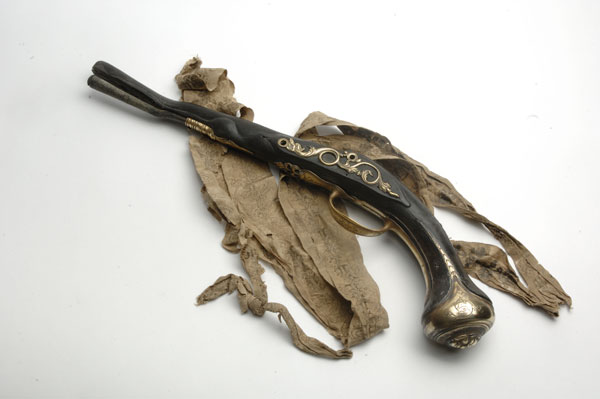
Real pirate treasure is shown is this slide show. Click this link:
June 7, 2011
My ten favorite rules for writing fiction
My ten favorite rules for writing fiction
(Partly derived from: this Guardian article which includes the “Top Ten” lists
the authors: Elmore Leonard, Diana Athill, Margaret Atwood, Roddy Doyle, Helen Dunmore, Geoff Dyer, Anne Enright, Richard Ford, Jonathan Franzen, Esther Freud, Neil Gaiman, David Hare, PD James, AL Kennedy)
The List:
1. The most important thing in fiction is sincerity: don’t fake it.
2. If it sounds like writing, read it out loud, then rewrite it.
3. Feel your anxiety—it’s an important part of the process.
4. Keep a grip on reality with a good meditation practice.
5. Read. Read all the best books: look them up.
6. Most writers don’t know how to use an em-dash: look that up.
7. Spend most of your time not writing. Readers don’t care about words,
they want to hear your imagination speak.
8. Don’t be afraid to change your mind. Kill good ideas with better ones.
9. Never fall in love with your own writing.
10. Write a book you’d love to read.
June 5, 2011
A rare picture of Tesora using an early 17th Century camera.

A rare picture of Tesora using an early 17th Century camera.
 davidkrancher.com